


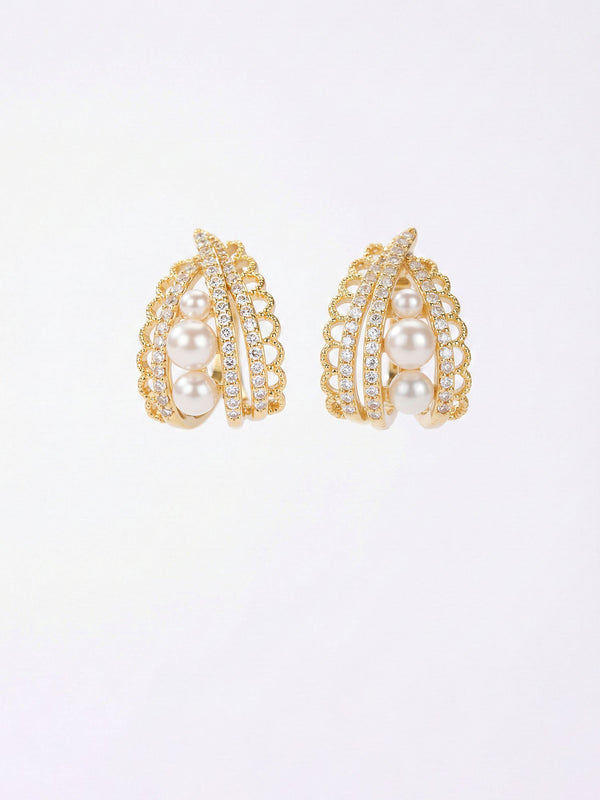
Asym Earrings Stella & Perla
€36,90
Discover our exclusive selection of handcrafted jewelry


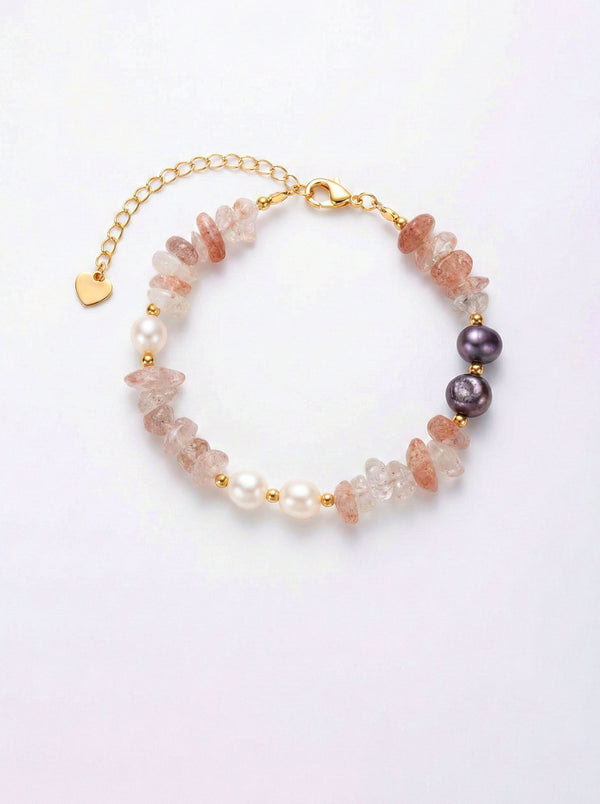
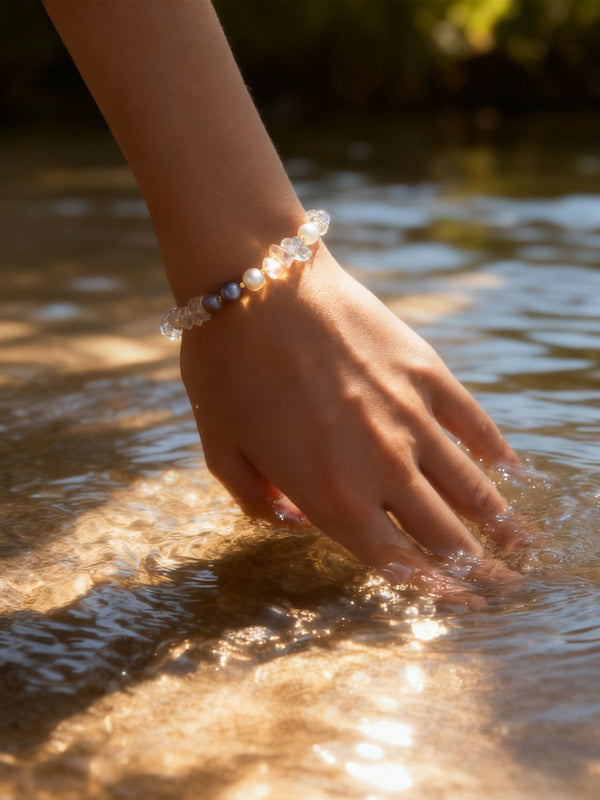
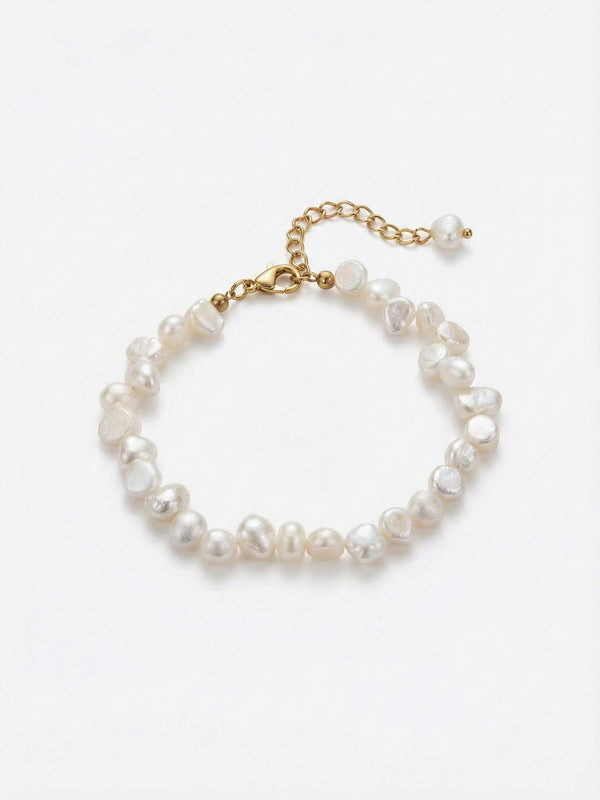
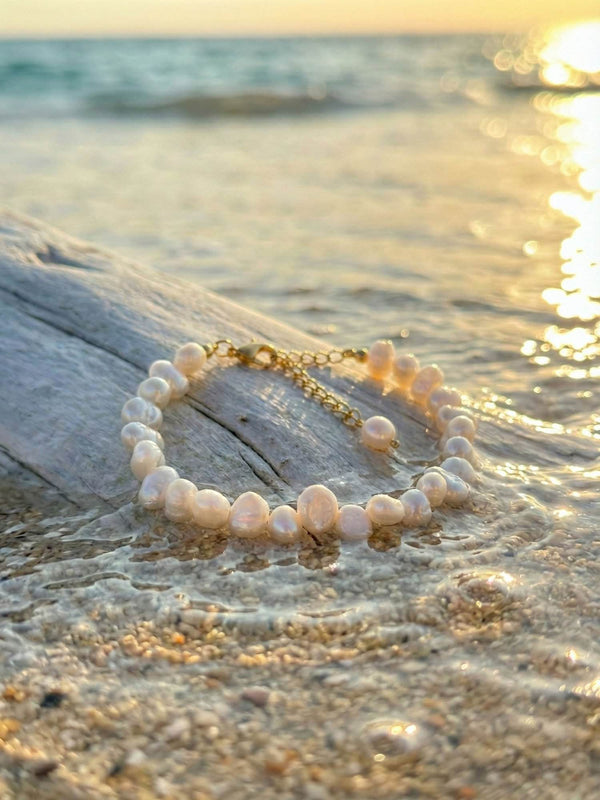
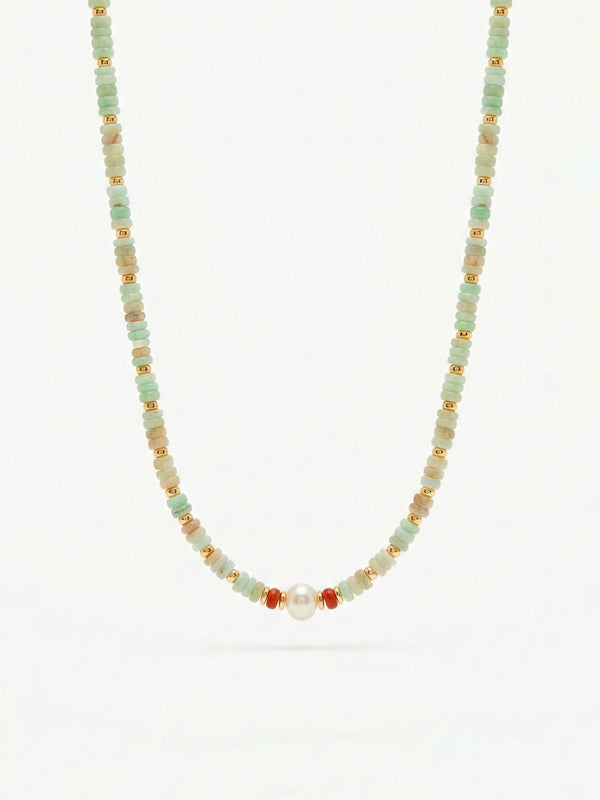
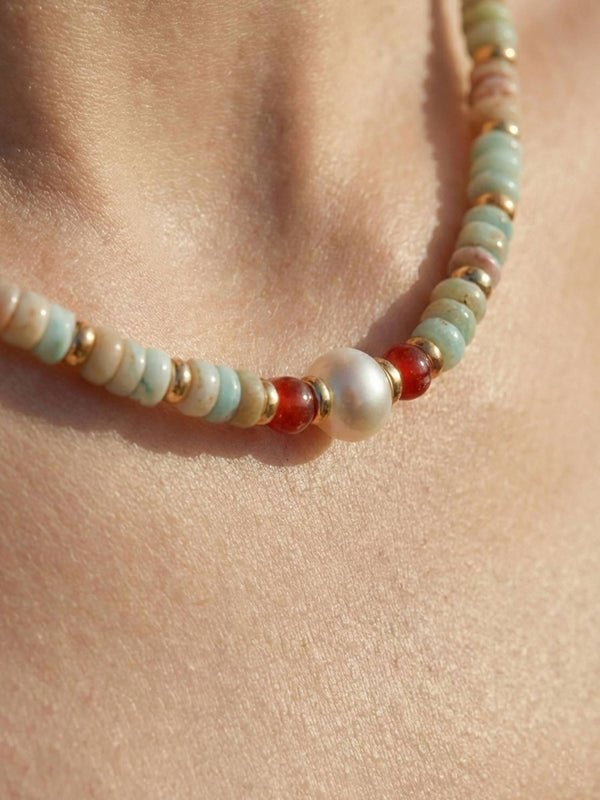
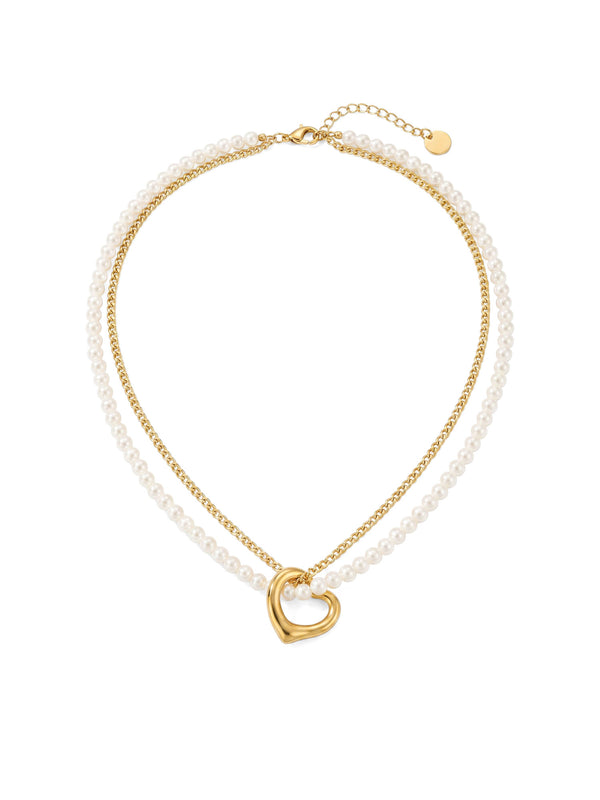

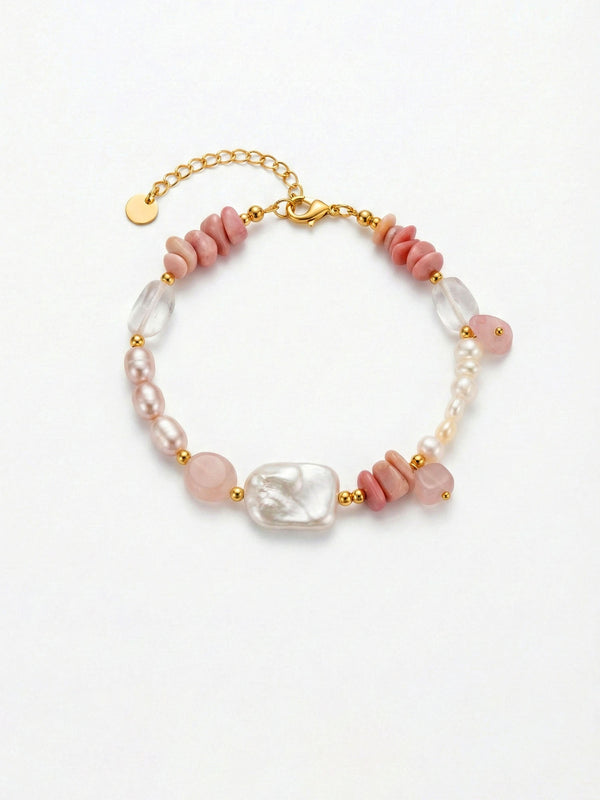
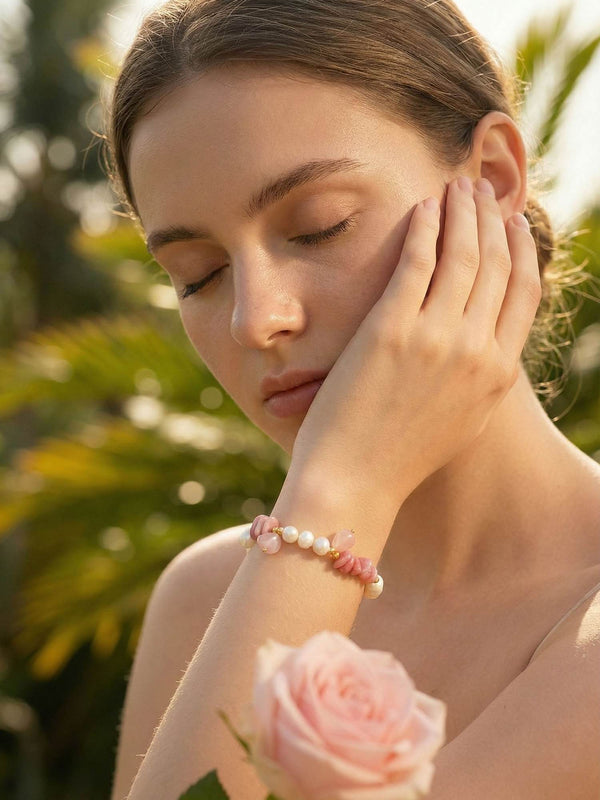
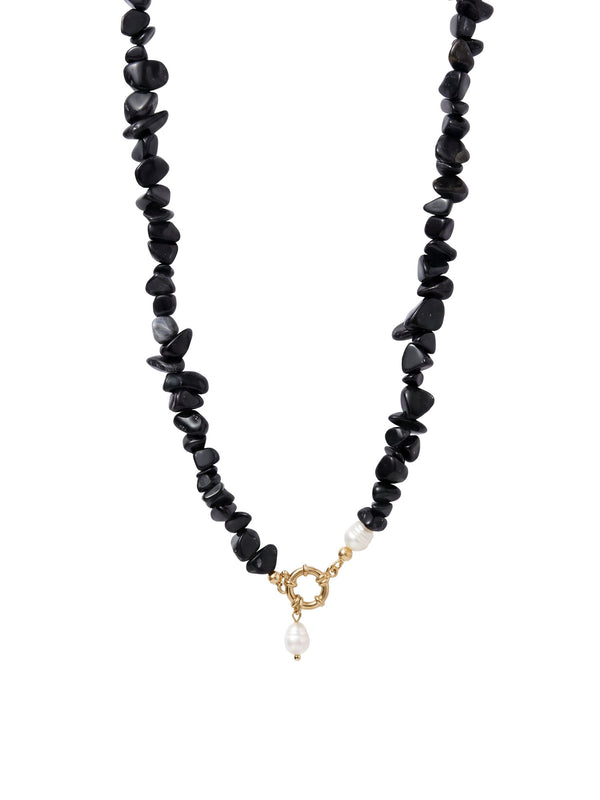

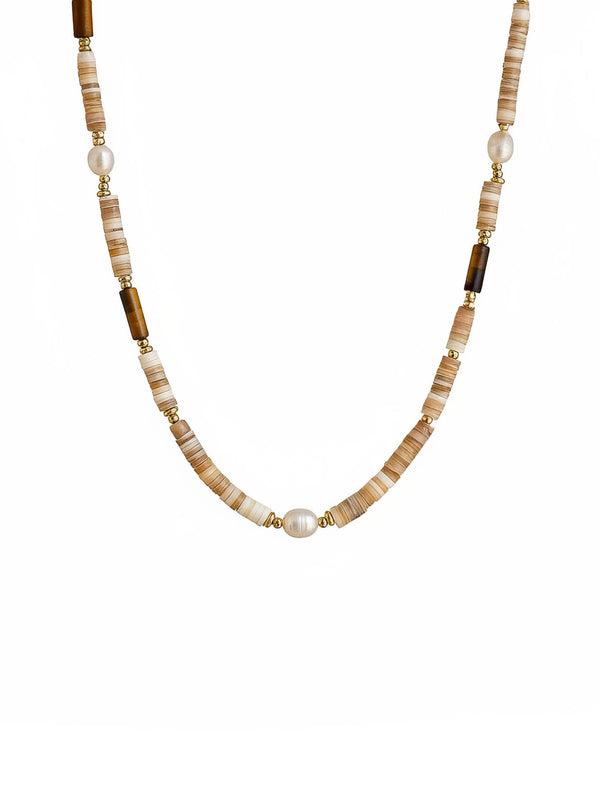

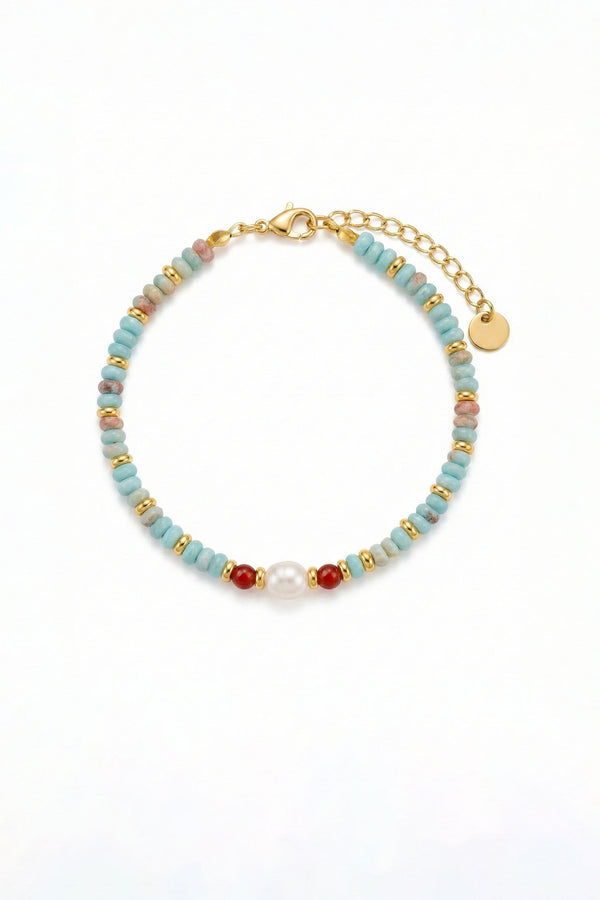

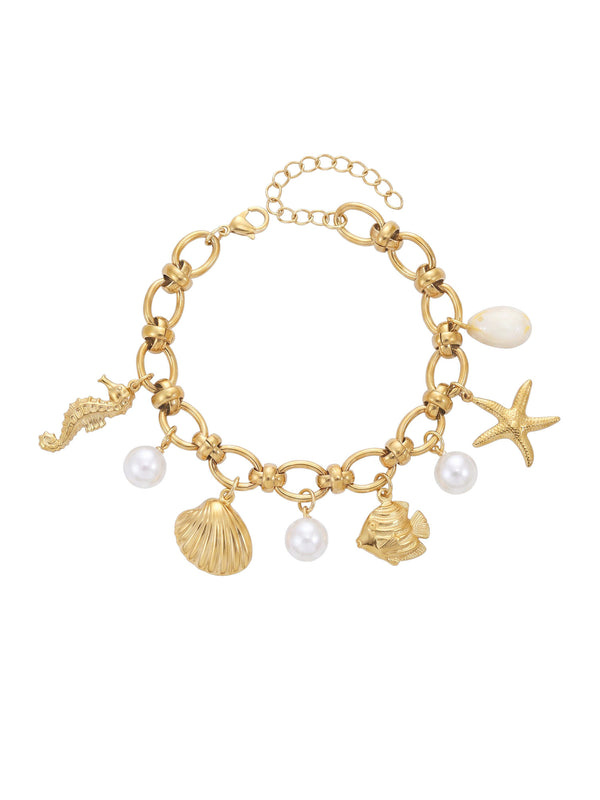

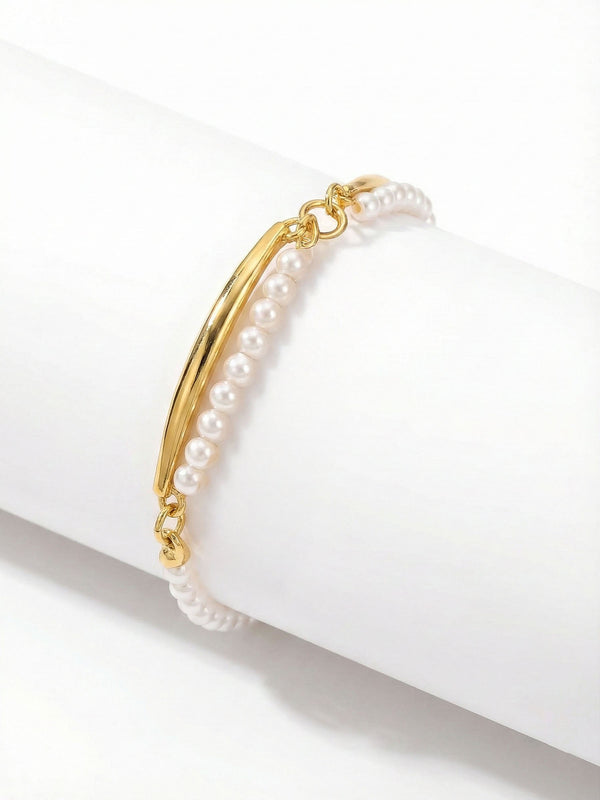

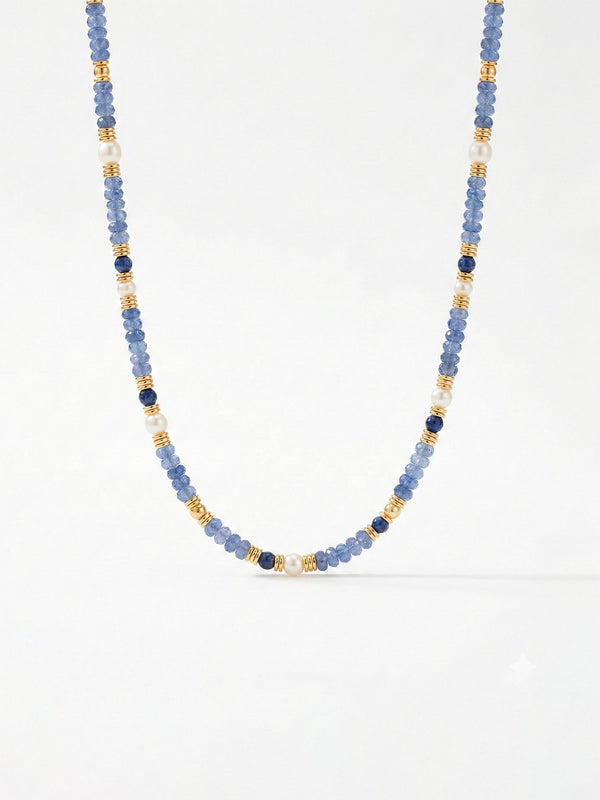
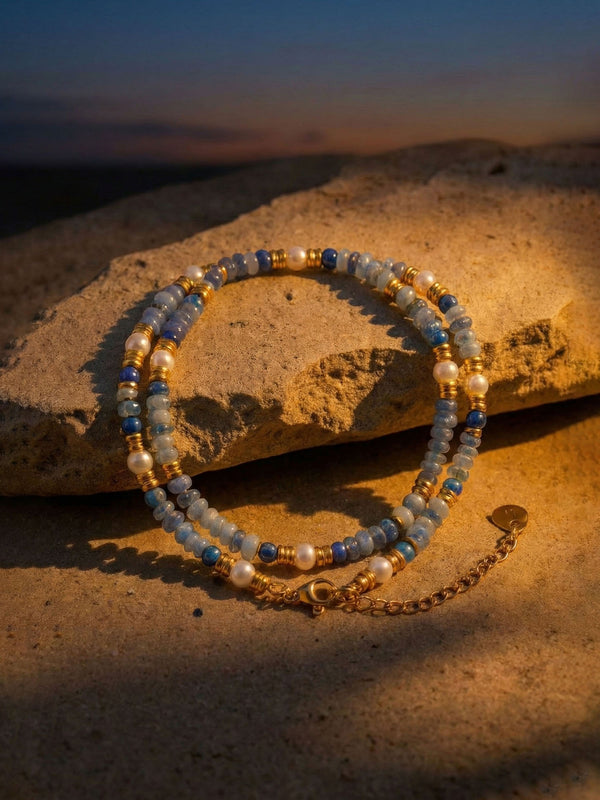
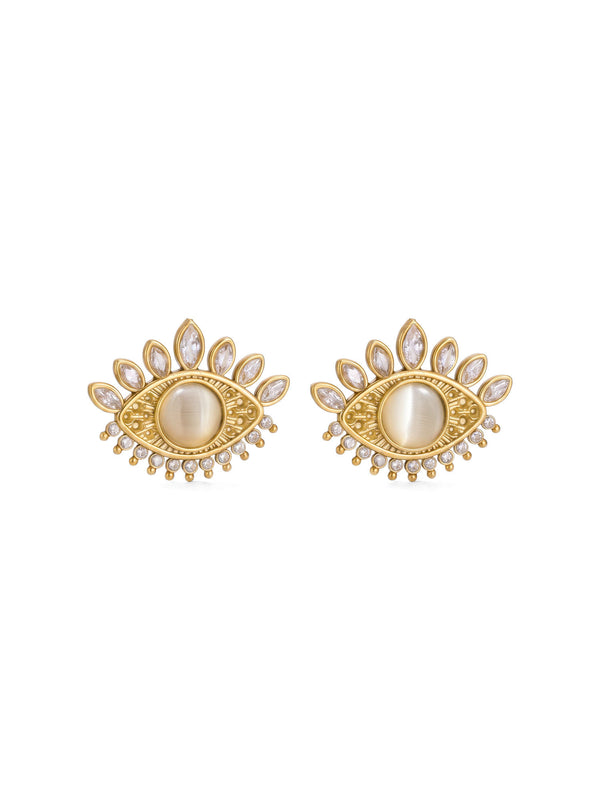

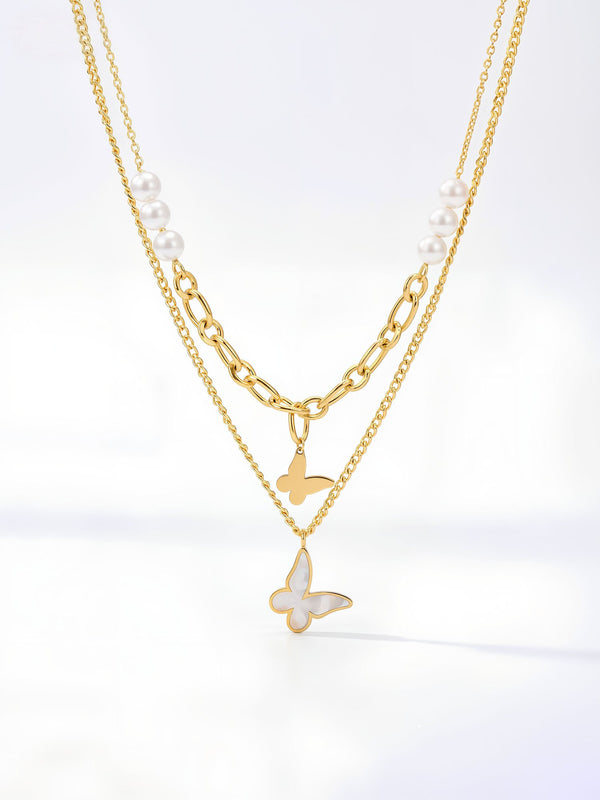

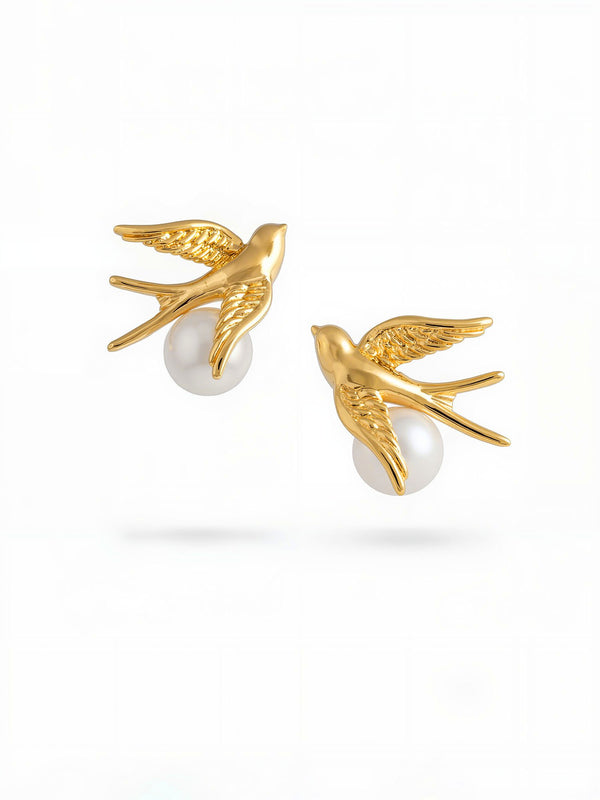

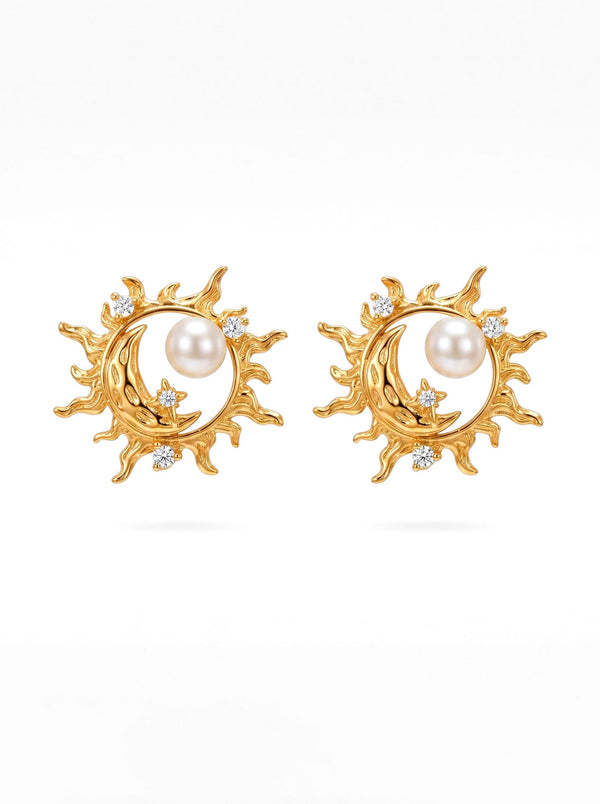




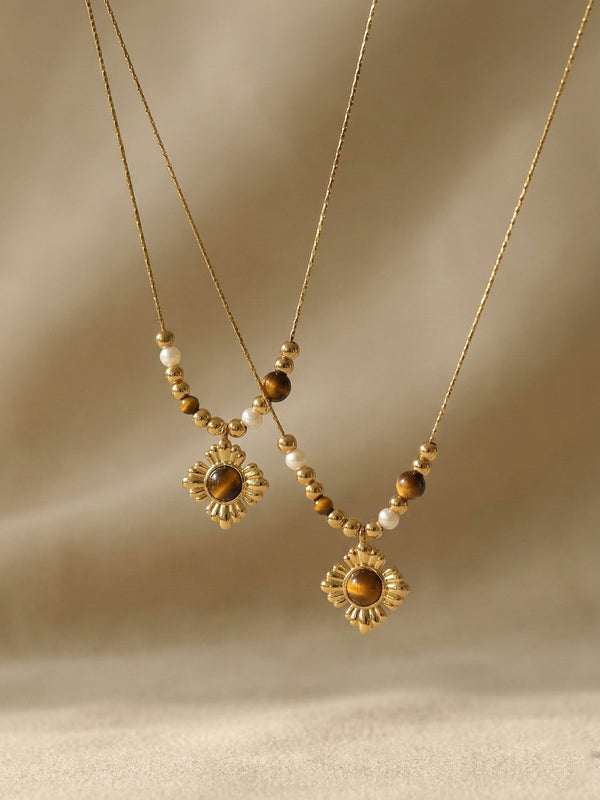
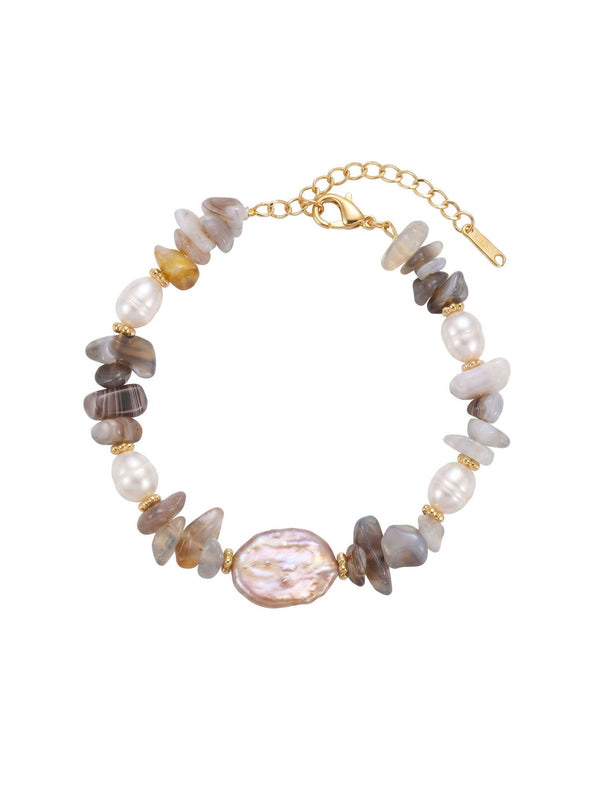

True beauty – from nature.
Each piece in this collection is crafted from carefully selected natural stones and genuine freshwater pearls.
No two pearls are alike – just like you.
Our designs celebrate the uniqueness of nature and bring a piece of real, organic beauty directly to your home.
Perfect for anyone looking for naturalness, elegance and symbolism in their jewelry.
Freshwater pearl jewelry combines two worlds that seem to contradict each other at first glance: the quiet, patient work of nature and the fine craftsmanship of modern jewelry workshops. Unlike gemstones, freshwater pearls are not mined in the mountains, but grow in mussels – mostly in the clear lakes and rivers of China, where carefully cultivated aquaculture has been practiced for decades. A single mussel can produce several pearls at the same time, each with its own shape, its own luster and its own color nuance.
It is precisely this quiet irregularity that makes freshwater pearl jewelry so unique. Where industrially manufactured jewelry seeks perfection, the pearl celebrates deviation: a delicate baroque curve, a silvery reflection, a barely visible growth line. No two pieces are exactly alike – and this is not a flaw, but part of their identity. Freshwater pearls are formed over years, layer by layer made of nacre, and thus carry a quiet history of time within them.
In our collection, we deliberately use freshwater pearls in different shapes: as round classics for bridal jewelry, as rice grain or baroque pearls for lively designs, and as small accents alongside natural stone. This creates jewelry that is both elegant and suitable for everyday wear – and that matches almost any style, from a linen dress to a business outfit.
The color palette is also remarkable: freshwater pearls come not only in classic white or creamy white, but also in delicate rosé, peach, lavender and gray tones – depending on the type of mussel and growing conditions. These natural nuances are created without coloring and make each piece a small unique item. Anyone who holds two supposedly identical pearls directly next to each other will almost always discover subtle differences in reflection, shape and color depth.
Pearls are among the oldest jewelry materials in human history – long before gemstones could be cut, people were already wearing pearls. In Greek mythology, the pearl was considered the tear of Aphrodite, the goddess of love, who, according to legend, left small, shimmering droplets behind as she rose from the sea. This connection between pearl, water and love is deeply rooted in European culture.
Even in ancient times, the pearl was considered bridal stone: Young women received them for their wedding as a symbol of purity, loyalty and a harmonious union. Roman brides wore pearl necklaces as a visible sign of their new phase of life – a custom that continued through Byzantium and medieval Europe into the Renaissance. In the Netherlands of the Golden Age, pearl earrings became the epitome of quiet elegance, as Vermeer's famous painting impressively tells to this day.
Hildegard of Bingen, arguably the most famous healer of the Middle Ages, also described pearls in her writings as a material of special purity and placed them alongside gemstones such as rock crystal and beryl. In the 20. century, Coco Chanel gave the pearl its modern face: she combined multi-strand pearl necklaces with the little black dress, thus making them suitable for everyday wear, away from formal occasions.
Today, the freshwater pearl stands for a contemporary form of elegance: less dramatic than the classic saltwater pearl, but just as expressive. It is bridal jewelry, an heirloom, a gift for the birth of a child – and at the same time a modern favorite piece for everyday life.
Our freshwater pearl collection includes 32 handcrafted pieces in the three main categories of necklace, bracelet and earrings. This makes it one of the largest single collections at Nemo Matheo – and offers the right piece for every occasion and every style. We present five special designs here as examples:
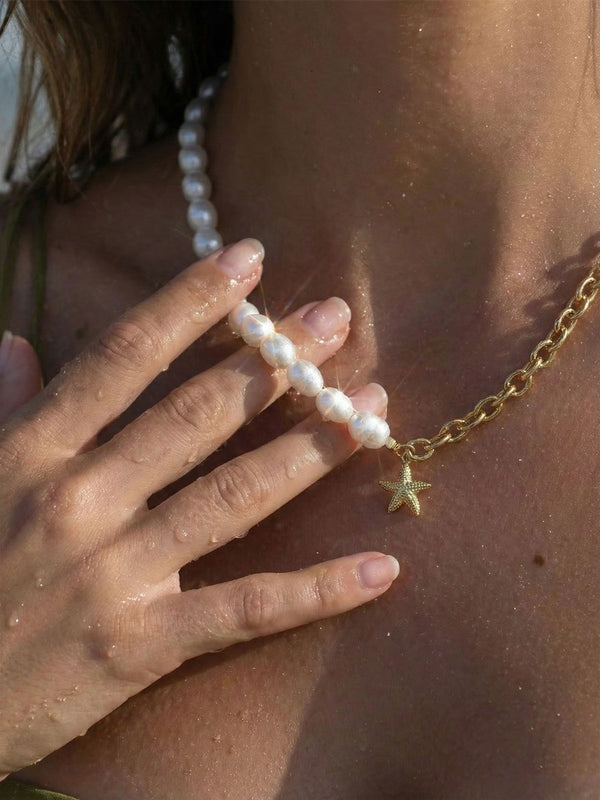
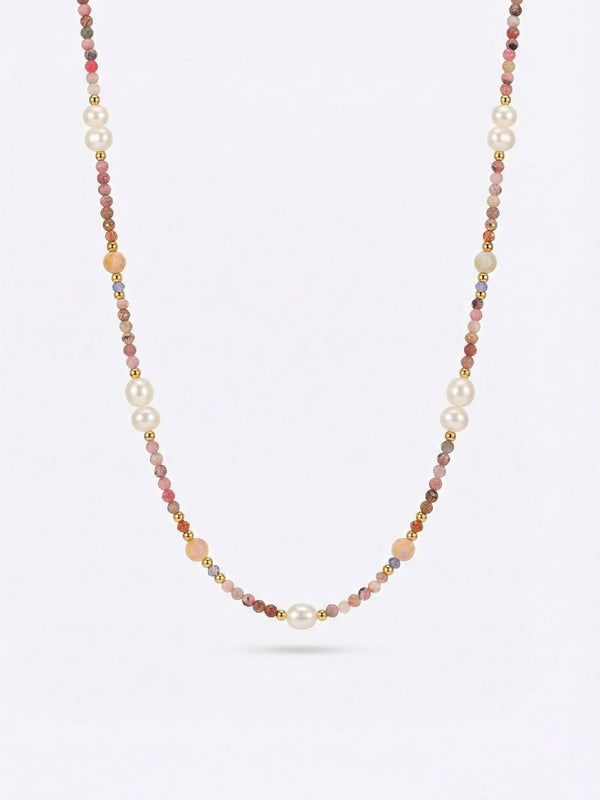
The Ocean Kiss pearl necklace with starfish combines several round freshwater pearls with a delicate starfish pendant – a piece that combines maritime lightness with classical elegance. It is suitable for summer outfits as well as delicate bridal jewelry on the beach. Anyone looking for a detailed comparison of all our pearl necklace models can find it in our Freshwater pearl necklace model comparison 2026.
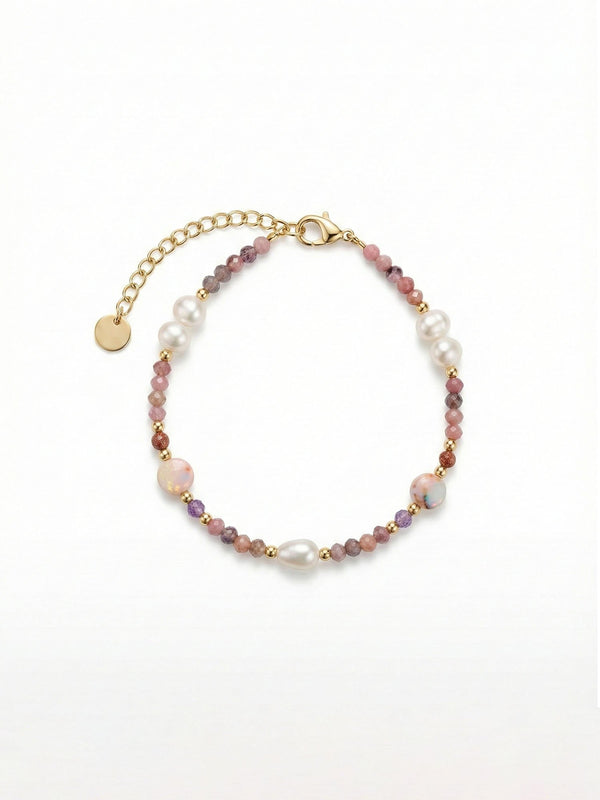
The Moonlight Natural Stone Bracelet with Freshwater Pearl combines shimmering moonstone beads with a small, white freshwater pearl as the focal point. The combination of stone and pearl creates a particularly feminine piece that is easy to stack with other bracelets. We show further models – also in a bridal jewelry look – in the Freshwater pearl bracelet bridal jewelry guide 2026.
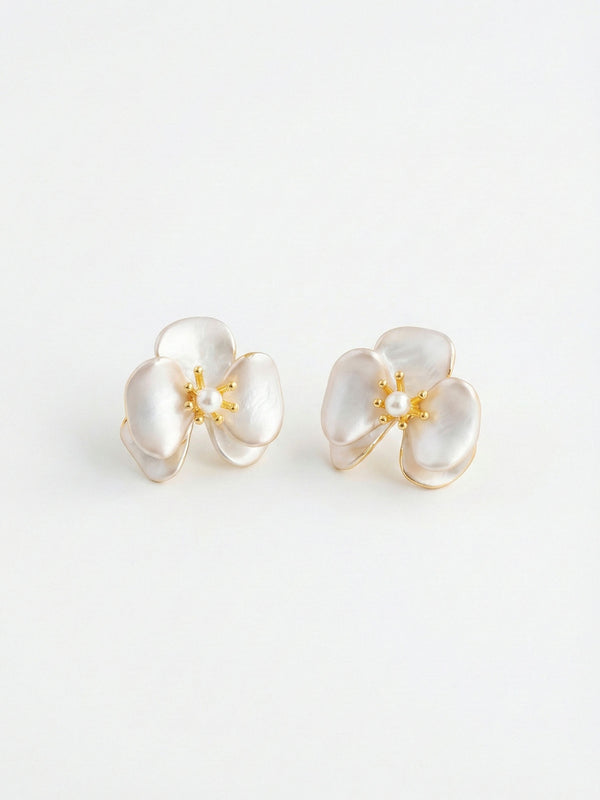
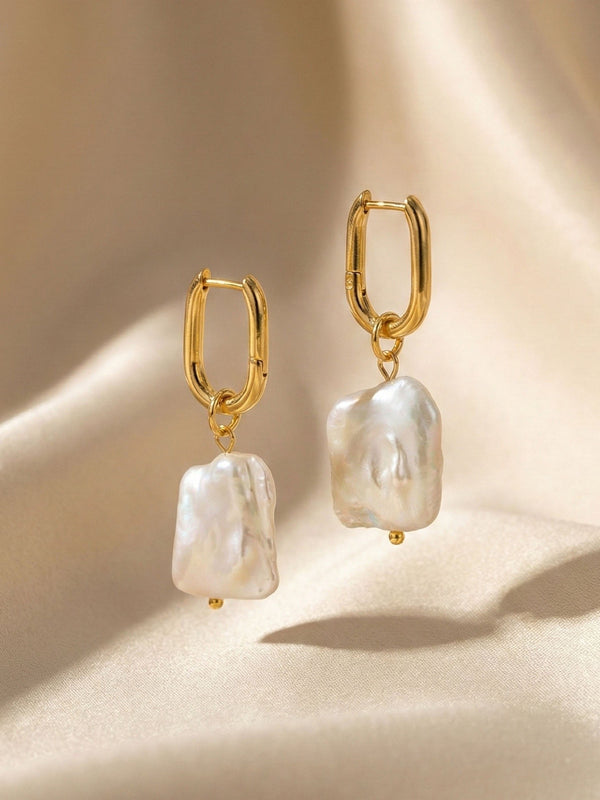
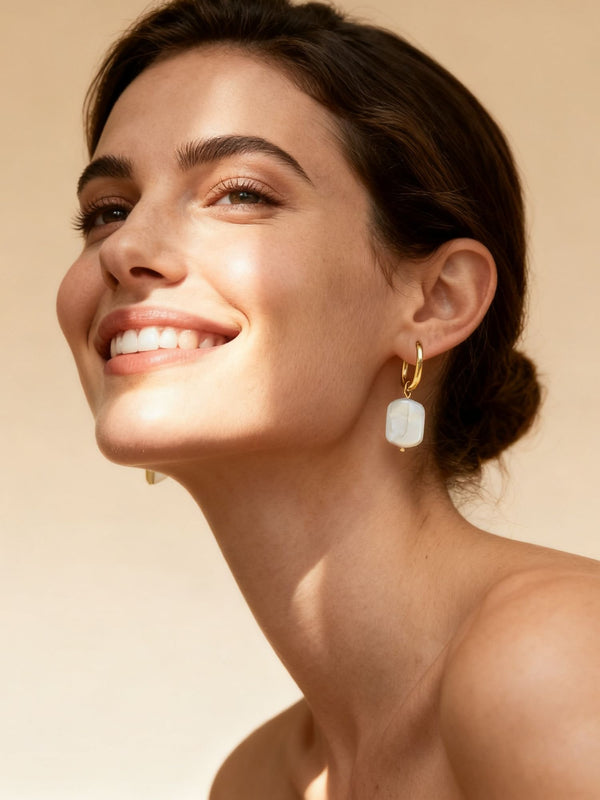
For earrings, we offer three very different styles: Asym Earrings Stella & Perla play with asymmetrical design – a longer piece with pearl drops, a shorter one as a contrast, modern and eye-catching. Marea Earrings on the other hand, are classic dangles that impress with movement and a fine luster, making them particularly suitable for weddings or evening events. If you like it minimalistic, you can choose the nacre blossom stud earrings – delicate floral shape with pearlescent shimmer, ideal as a restrained statement in everyday life or as a gift.
By the way, freshwater pearls can be wonderfully combined with other natural materials. If you are looking for inspiration for mixed looks, you will find in our Natural Stone Jewelry Main Collection further pieces made of moonstone, rose quartz, tiger's eye and lapis lazuli that can be harmoniously combined with pearls.
Arguably the most important stage for freshwater pearl jewelry remains wedding. Whether as a fine pearl necklace with a simple wedding dress, as a pearl bracelet with a delicate moonstone component, or as classic pearl earrings – pearls have been the epitome of bridal jewelry for centuries. They look festive without being overpowering and harmonize with almost any fabric, from lace to silk. In our bridal jewelry guide for summer 2026 we show how aquamarine, moonstone and freshwater pearls can be combined into a cohesive overall look.
However, freshwater pearls are long no longer just bridal jewelry. In everyday life, they unfold their effect particularly well in Layering: A short pearl necklace combined with a longer natural stone necklace, a pearl bracelet next to a simple leather strap, pearl stud earrings with casual jeans – this gives classic materials a modern, almost casual character.
Freshwater pearls also have a long tradition as a gift: for confirmation, for the 18. birthday, for the birth of a child or as a keepsake passed down through generations. Pearls age slowly and gently – a piece worn by a grandmother can also adorn a granddaughter with a little care.
Pearls also work wonderfully in the office: subtle pearl stud earrings with a blouse, a narrow pearl bracelet with a blazer, a short pearl necklace under an open shirt collar – pearls look serious without being stiff. This makes them one of the few pieces of jewelry that really go from the breakfast table to dinner on the same day without breaking the look.
The most important difference lies in the origin: freshwater pearls grow in mussels in lakes and rivers, mostly in China, and can produce multiple pearls simultaneously per mussel. Saltwater pearls – such as Akoya, Tahitian or South Sea – are formed individually in marine oysters and are much rarer, often rounder and correspondingly more expensive.
Freshwater pearls are therefore an excellent entry point into genuine pearl jewelry: they offer a real nacre luster, natural variety of shapes and an attractive price-performance ratio. Authenticity is best recognized by the so-called tooth test – a real pearl feels slightly sandy or grainy on the teeth, an imitation is smooth like plastic – as well as tiny growth irregularities on the surface. A perfectly uniform pearl is usually an indication of plastic or glass with a pearlescent coating.
Differences are also evident in the direct comparison of shapes: Akoya pearls are usually very round and come in sizes from 6 to 9 millimeters, Tahitian pearls are often gray to black with greenish-bluish reflections, and South Sea pearls are particularly large and rarer. Freshwater pearls, on the other hand, offer the greatest variety of shapes – round, oval, teardrop-shaped, baroque or rice-grain-like – and it is precisely this variety that makes them so interesting for modern, less formal designs.
Freshwater pearls are robust, but they are organic – and that requires a little attention. The most important rule is: Put on jewelry after applying makeup, lotion and perfume, not before. Alcohol, essential oils and chemical ingredients attack the delicate nacre layer and can make it look dull over the years.
After wearing, gently wipe the pearls with a soft, lint-free cloth – this removes skin oils and sweat residues, which can also cloud the luster. An occasional wipe with a slightly damp cloth is sufficient; under no circumstances should pearls be placed in an ultrasonic bath or chemical jewelry cleaner. They are best stored separately from harder stones or metal jewelry in a soft pouch or a fabric-lined jewelry box so that their surface does not get scratched.
With good care, a freshwater pearl will remain beautiful for many decades – often longer than the wearer herself.
Yes, all pearls in our collection are genuine, aquaculture-cultured freshwater pearls from China – not imitations made of plastic or glass. This can be recognized, among other things, by the slightly irregular shapes, the typical nacre luster and the characteristically grainy surface during the tooth test.
Freshwater pearls are among the most classic bridal jewelry materials available. They look festive without being overwhelming, harmonize with almost any wedding dress, and are culturally considered a symbol of a happy union. Classic pearl earrings and delicate pearl necklaces, often combined with moonstone or aquamarine, are especially popular.
A single freshwater mussel can produce multiple pearls at once, whereas saltwater oysters usually yield only one pearl per animal. This makes freshwater pearls more readily available—yet the quality, luster, and authenticity are just as genuine. This makes them an excellent introduction to high-quality pearl jewelry.
Always put on jewelry last—after makeup, perfume, and lotion. Wipe with a soft cloth after wearing. Do not use ultrasonic baths or chemical cleaners, and store separately from harder jewelry. This preserves the mother-of-pearl luster for decades.
With good care, freshwater pearls last a lifetime and are frequently passed down through generations. The setting—usually 925 silver or gold-plated silver—is also durable; for necklaces and bracelets, it is recommended to check the clasp for a secure fit every few years. For multi-strand pearl necklaces, restringing may also be worthwhile after many years since the stringing thread gives way over time—a small service that makes the piece look brand new again.
Yes, absolutely—this combination is one of the hallmarks of our collection. Freshwater pearls look particularly harmonious with moonstone, rose quartz, aquamarine, or delicate rock crystal. Tiger's eye or lapis lazuli can also be combined for high-contrast looks. Inspiration and matching pieces can be found in our main natural stone collection.