
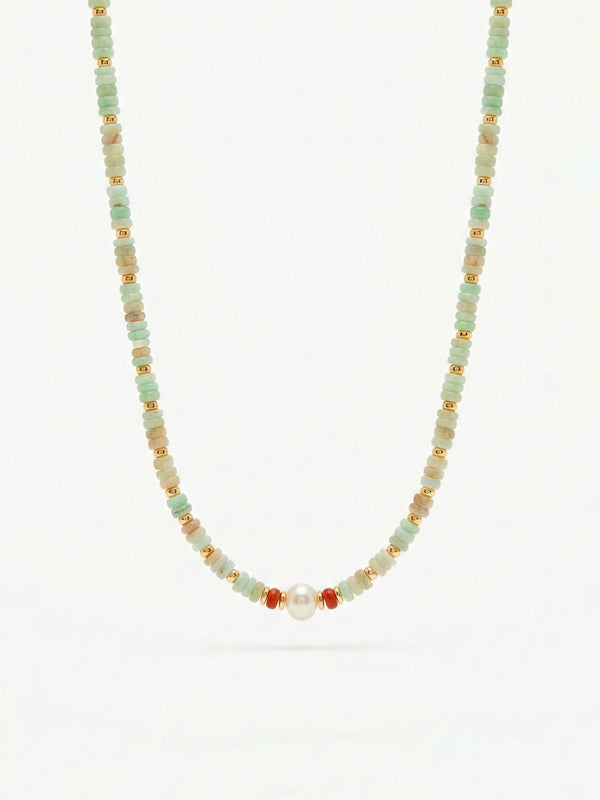
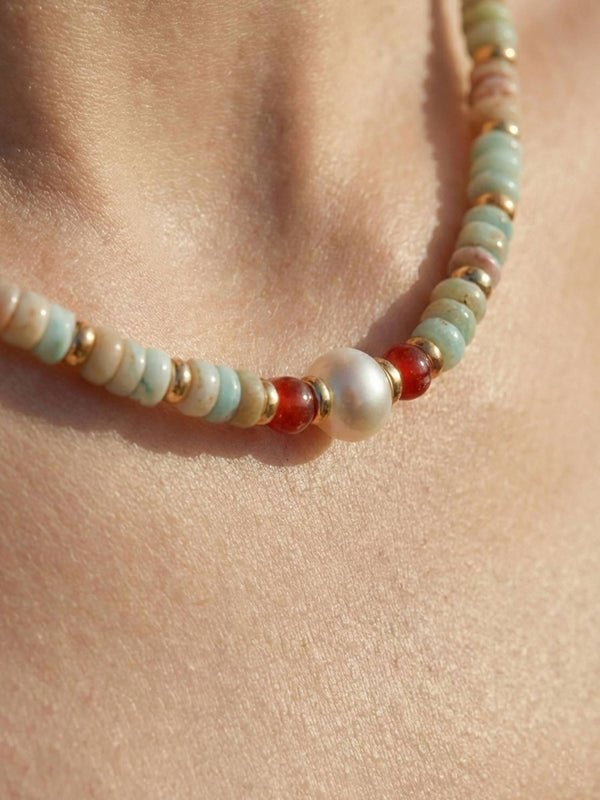
Discover our exclusive selection of handcrafted jewelry
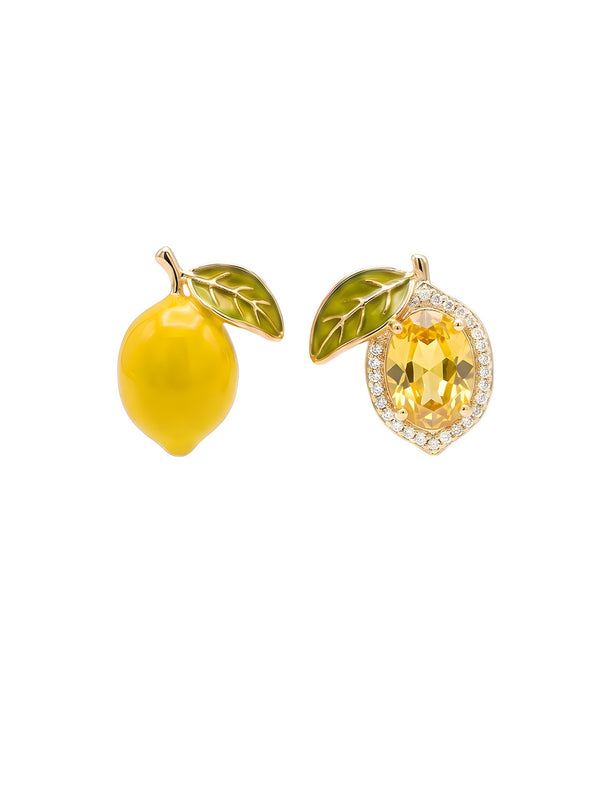

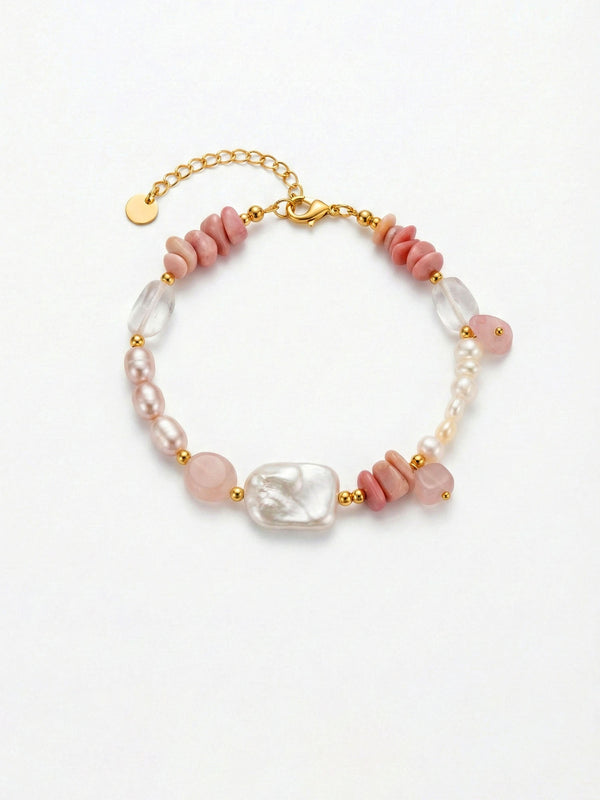
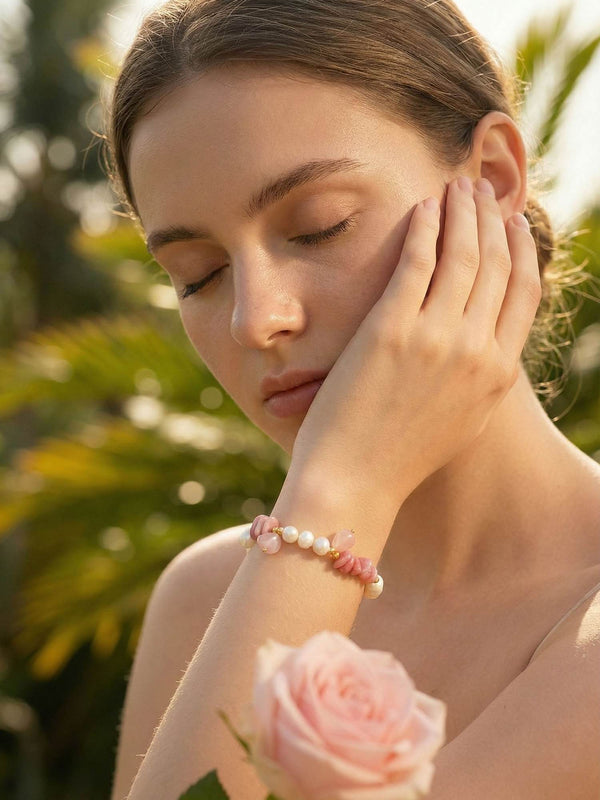
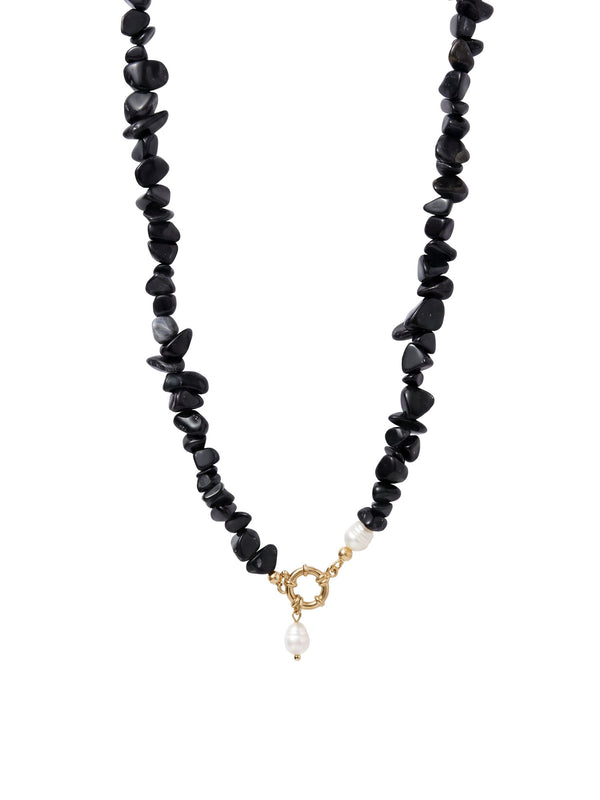

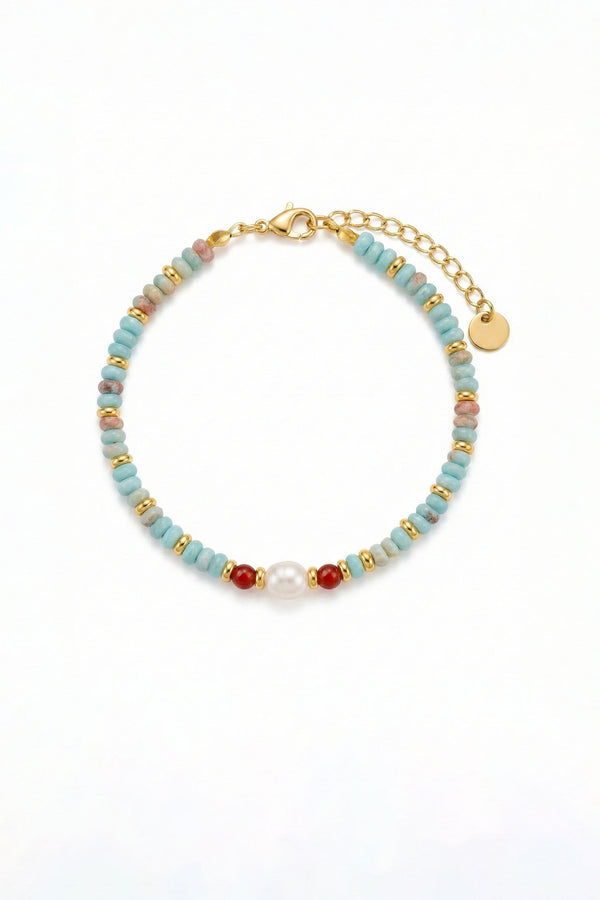

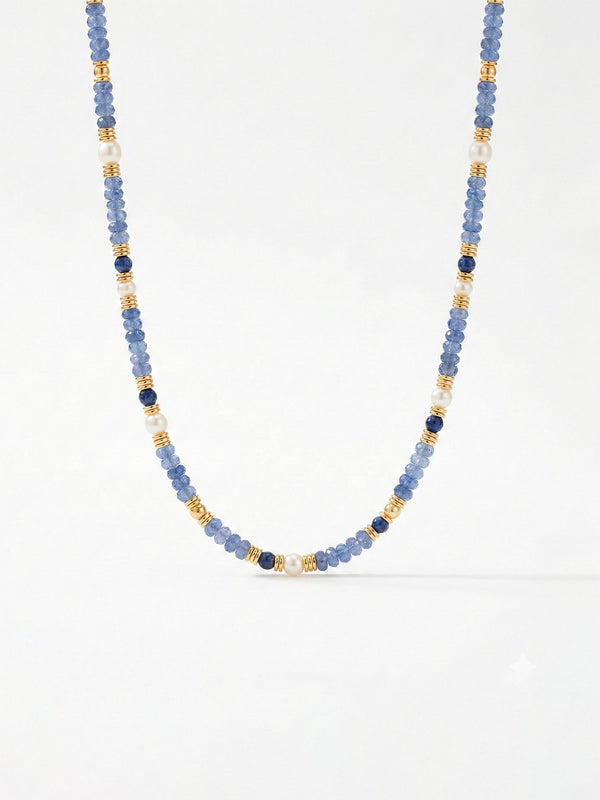
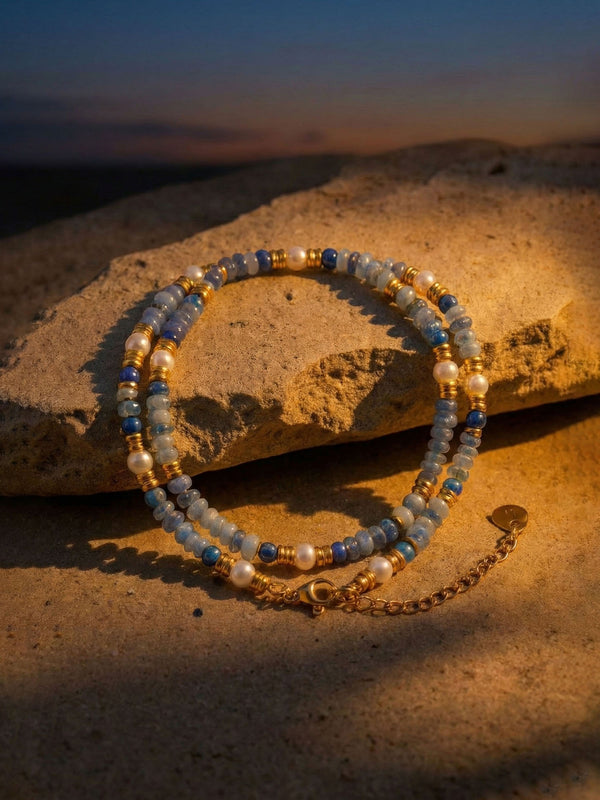
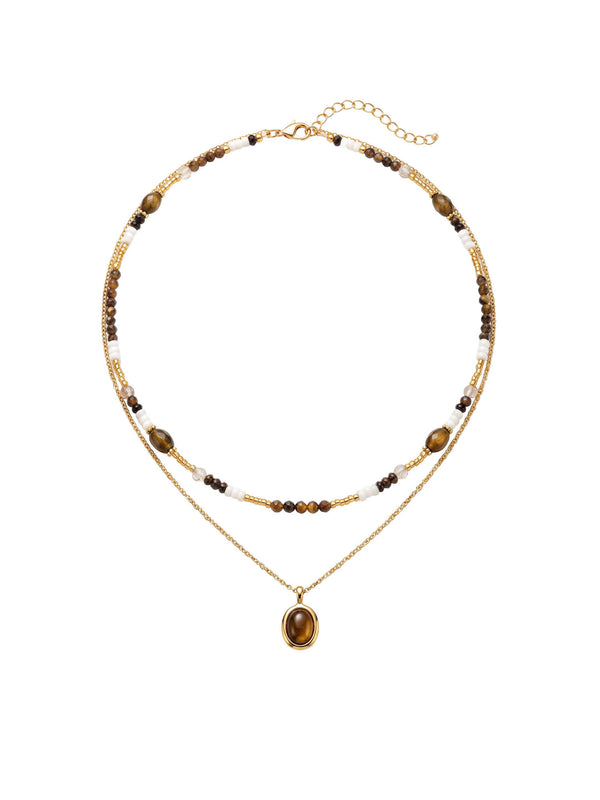

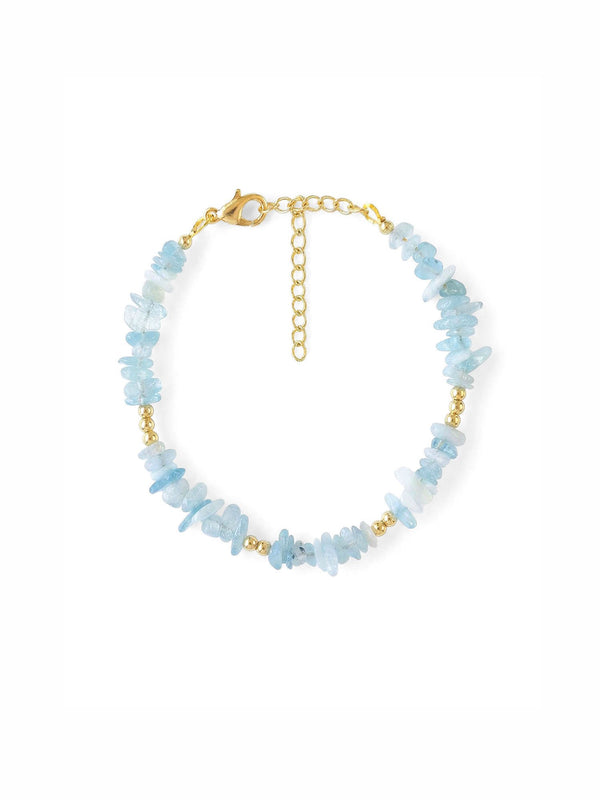

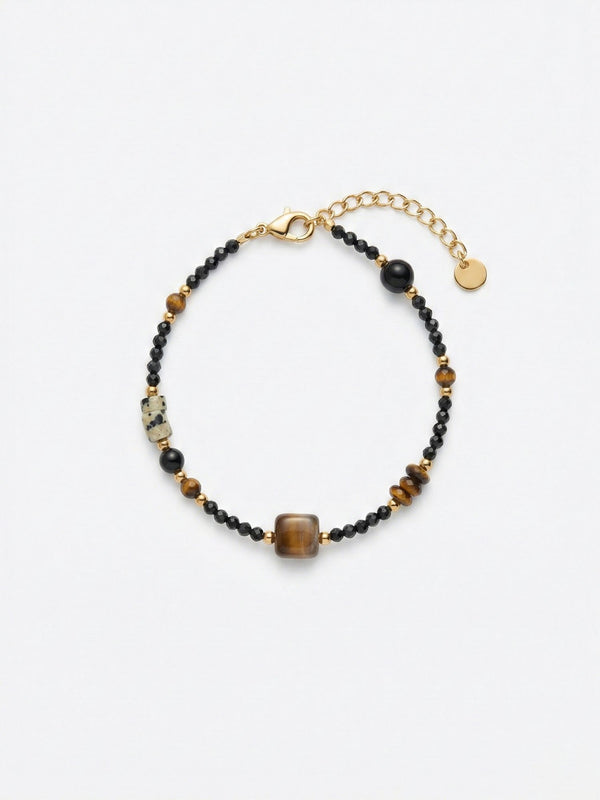

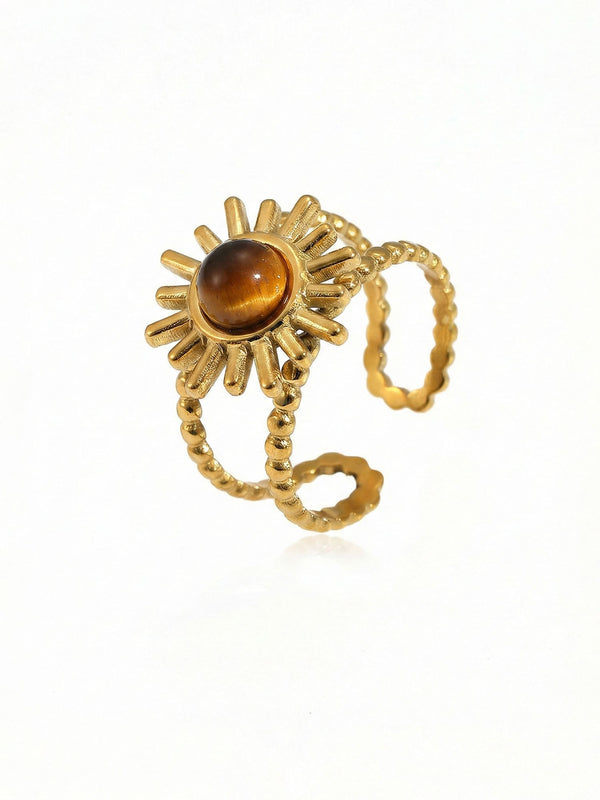

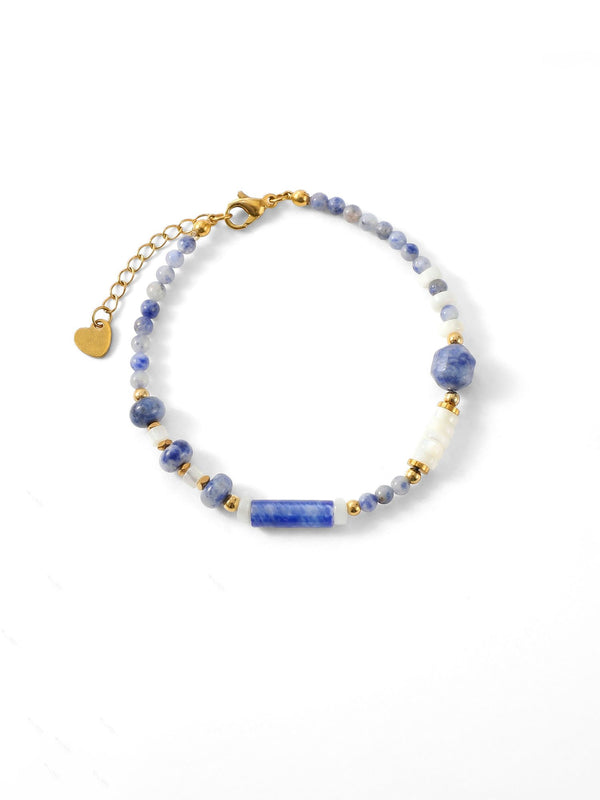

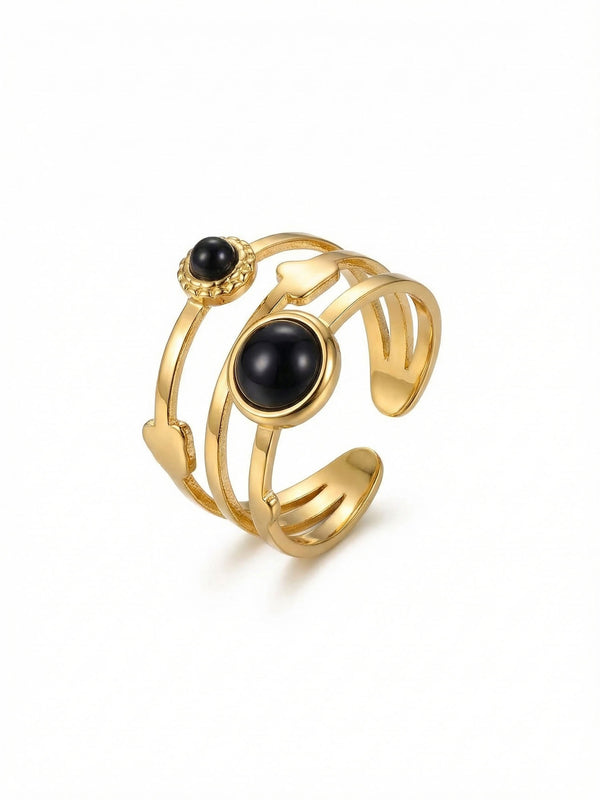

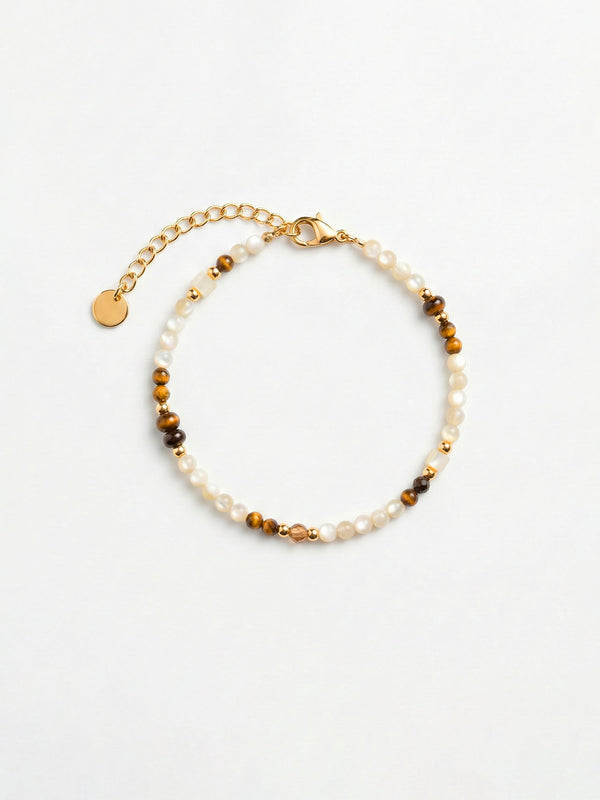

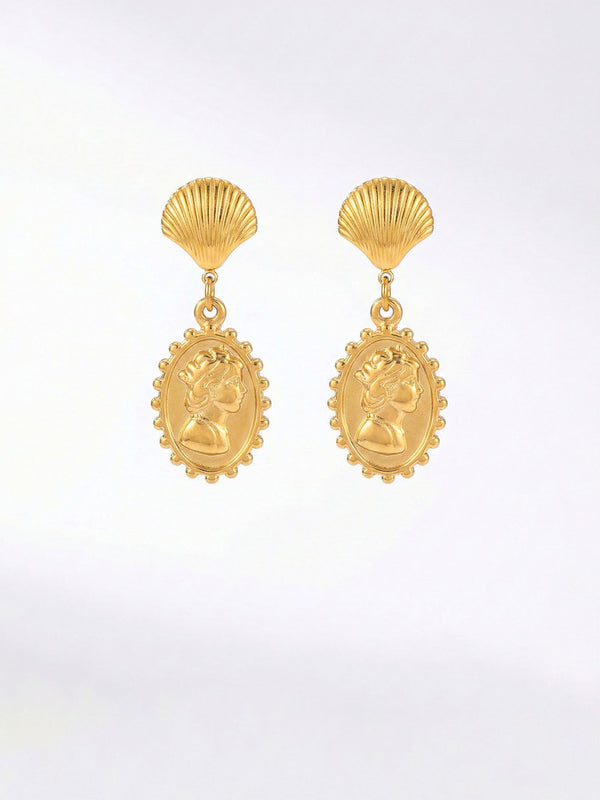

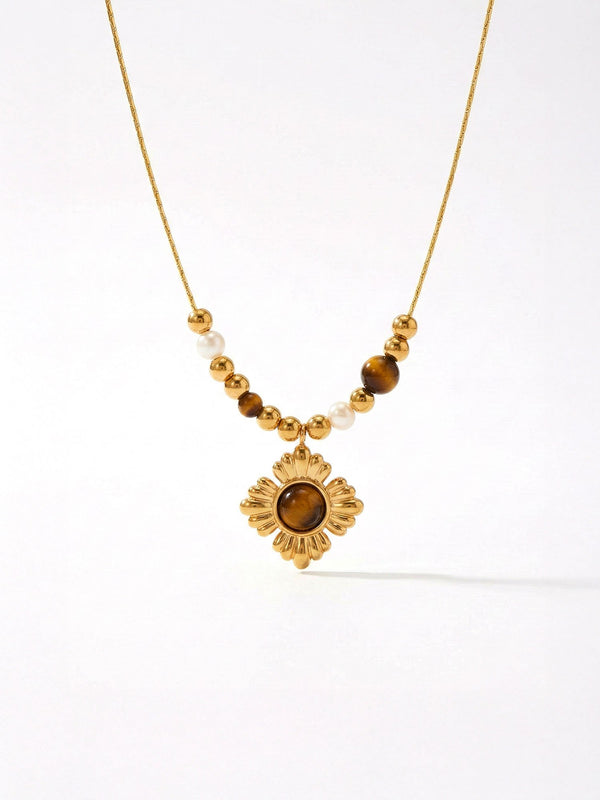
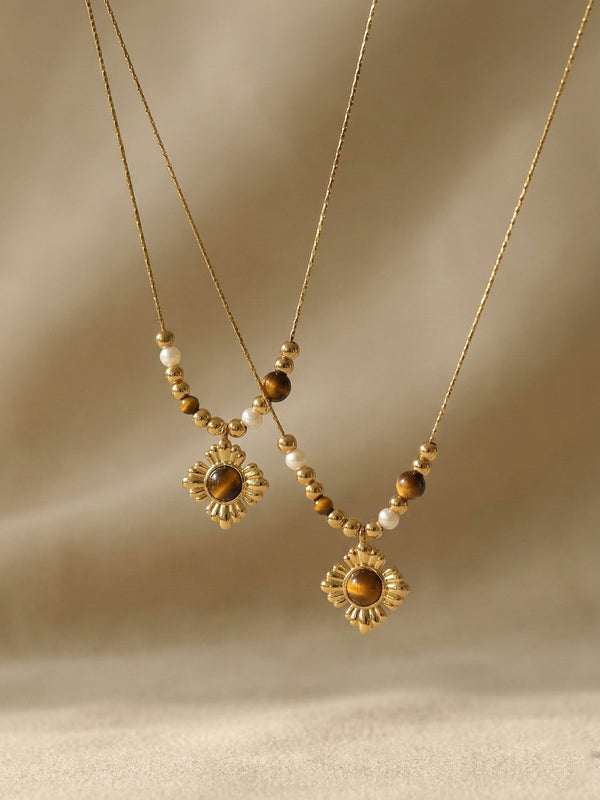
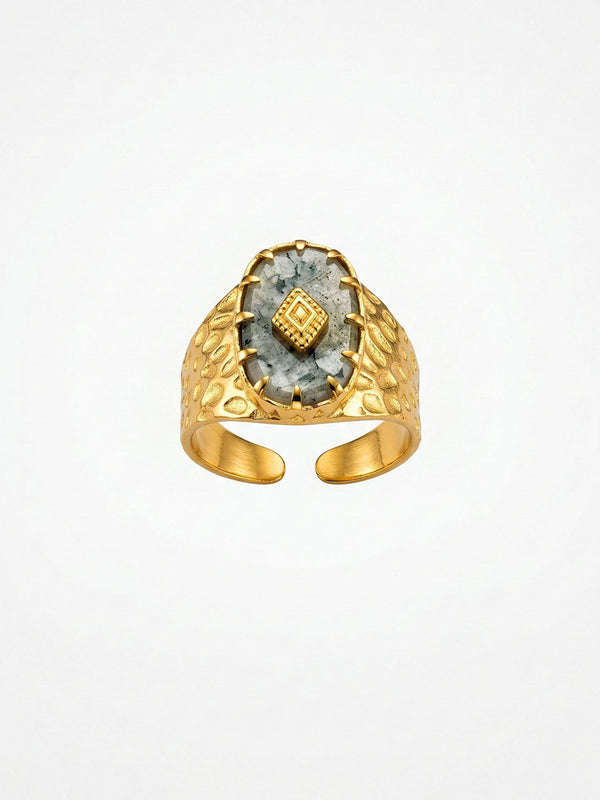

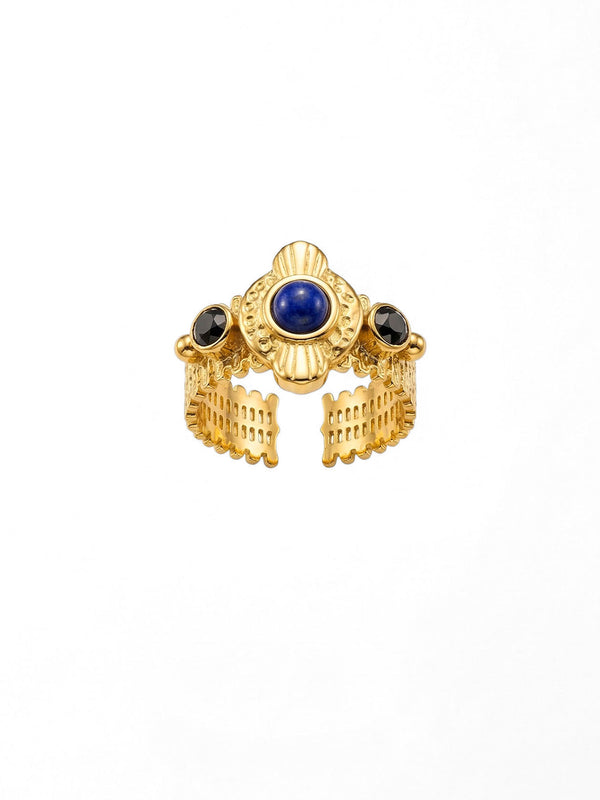

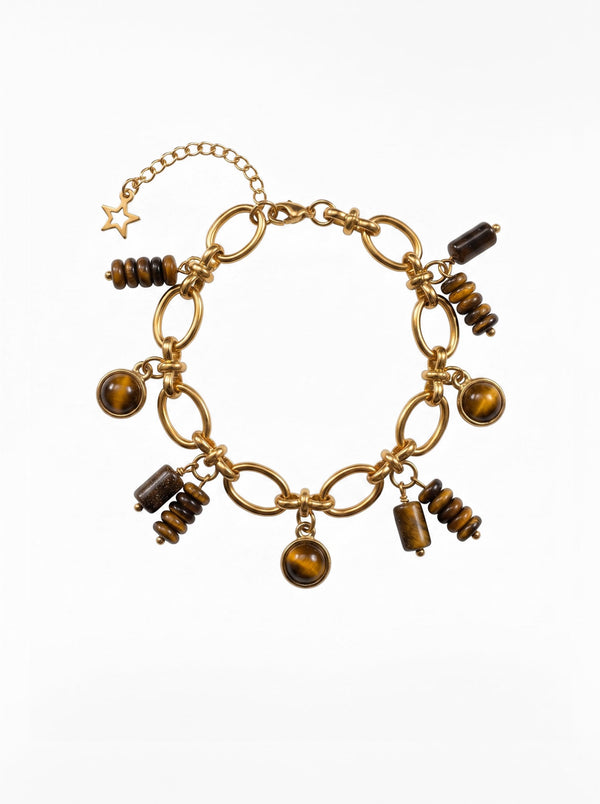

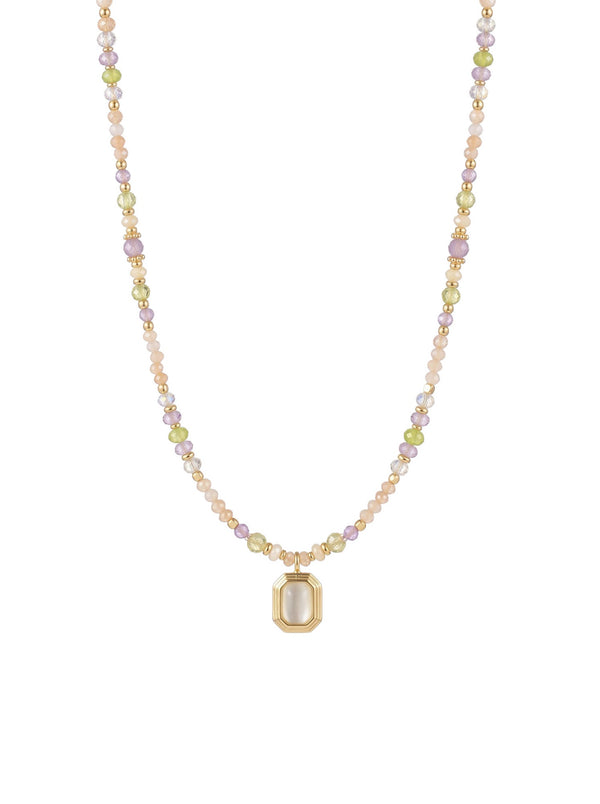

Gemstone jewelry refers to pieces of jewelry set, strung, or crafted with mineralogically defined gemstones. Unlike the broader umbrella term natural stone jewelry, which also includes decorative rocks such as lava stone or simple tumbled stones, gemstone jewelry in the narrower sense means crystalline minerals with defined hardness, purity, and color — that is, pieces evaluated according to classical gemological criteria. The crucial difference lies in the mineralogical structure: True gemstones are typically single-crystal minerals or microcrystalline aggregates with reproducible physical properties.
The tradition of gemstone jewelry dates back over 5.000 years. As early as ancient Egypt, pharaohs wore carnelian, lapis lazuli, and turquoise as status symbols and grave goods. Gemstones also played a central role as currency, ornamentation, and cult objects in the early advanced civilizations of Mesopotamia, the Indus Valley, and China. Today, modern jewelry designers — like us at NemoMatheo in Berlin — combine this millennia-old tradition with contemporary aesthetics: handmade pieces with 18K gold-plated stainless steel, ethically sourced gemstones, and minimalist, everyday-ready design. Our gemstone jewelry collection brings together around 20 pieces ranging from delicate rings to powerful statement necklaces — each a combination of material, craftsmanship, and history.
Anyone who engages with gemstone jewelry also enters a field that connects mineralogy, craftsmanship, and cultural history. On this page, you will find a well-founded overview of classification, quality criteria, and the most important historical eras — and of course a curated selection of our favorite pieces.
Traditional gemology has distinguished since the 19 century between the four "major" gemstones and the semiprecious stones. This classification has evolved historically and is based primarily on rarity, hardness, and color intensity.
All other minerals suitable for jewelry are traditionally called semiprecious stones — a term that modern gemologists sometimes view critically because many "semiprecious stones" are by no means visually or culturally-historically secondary. The best-known include:
The Mohs hardness has been the most important criterion for gemstone classification since 1812. The German mineralogist Friedrich Mohs developed a 10-step scale where each stone can scratch a softer one. Talc is at 1, diamond at 10. For jewelry pieces: From Mohs hardness 7 onwards, a stone is suitable for everyday wear because it is harder than the quartz dust in normal household dust and thus will not scratch. Quartz varieties like tiger's eye, amethyst, citrine, and rose quartz meet this exact threshold.
At NemoMatheo, we consciously work predominantly with selected semiprecious stones: They are not only more affordable but often offer the more expressive colors and textures that suit modern everyday jewelry. Most of our stones lie at Mohs hardness 7 — robust enough for daily use and simultaneously diverse in color. If you would like to learn more about material properties, you will find a broader overview of all natural stone-based pieces in our Natural Stone Jewelry sister collection .
For the evaluation of gemstones, the so-called "4 Cs" have established themselves in gemology — originally developed for diamonds, but analogously applicable to all gemstones.
The cut determines how light is refracted within the stone. Classical faceted cuts (brilliant, emerald cut, princess) are used for transparent gemstones like citrine or amethyst. Tiger's Eye or Obsidian For opaque stones like cabochon cuts (round, polished domes) or tumble polishing are used — these emphasize the color and internal play of the stone.
Refers to the number and visibility of inclusions. In some stones — such as emerald or rutilated quartz — inclusions are characteristic and even desirable. Flawless stones are rarer and more expensive.
1 carat = 0,2 grams. For gemstone beads for bracelets and necklaces, measurements are more frequently taken in millimeters (bead diameter) than in carats. Our gemstone beads are usually 6–10 mm.
The color intensity, saturation, and purity of a hue. A deep dark, uniform black in obsidian or a warm, glowing gold-brown in tiger's eye are quality features.
Gemstone jewelry is one of humanity's oldest art forms — older than writing, older than coined money.
In the tombs of the pharaohs — most impressively in the tomb of Tutankhamun — there are pectoral necklaces, rings, and diadems made of gold, inlaid with Lapis Lazuli from the mountains of Afghanistan, Carnelian from Wadi Hammamat, and Turquoise from Sinai. Gemstones were not merely adornment, but symbols of divine order and considered companions into the afterlife.
The Romans perfected the art of stone carving, creating cameos and intaglios — finely engraved stones with portraits of the Caesars. Garnet, Amethyst Sodalite Onyx were particularly coveted by the senatorial class. Pliny the Elder dedicated an entire book to gemstones in his Naturalis Historia .
In the European Middle Ages, Hildegard of Bingen (1098–1179) compiled traditional knowledge about gemstones in her work Physica. Monasteries became centers of lapidary science, where the properties and meanings of stones were recorded in writing. Gemstones adorned reliquaries, crowns, and liturgical vestments.
With the Industrial Revolution and the discovery of new mining locations (South Africa, Brazil, Australia), gemstone jewelry experienced unprecedented democratization in the 19th century. Queen Victoria herself made mourning jewelry out of jet (lignite) and Onyx popular. At the same time, colored gemstones became an expression of individual taste — a tradition that modern designers like NemoMatheo continue today. The rise of bourgeois prosperity meant that not only the nobility, but also urban middle classes understood gemstone jewelry as a personal expression.
In the early 20th century, the Art Deco style shaped a geometric, clean design language. Design houses such as Cartier and Boucheron experimented with unusual gemstone combinations — onyx with diamond, coral with jade. This aesthetic of less is more remains a guiding principle of modern jewelry studios to this day and also inspires our reduced design language at NemoMatheo.
Our gemstone collection is the essence of what modern Berlin design represents: minimalist, high-quality, suitable for everyday wear. Each piece is handcrafted in our studio — using 18K gold-plated stainless steel, which is gentle on sensitive skin and does not tarnish. We source the gemstones themselves directly from selected suppliers and inspect each stone for color, luster, and surface quality before processing.
What distinguishes our collection is the combination of two worlds: the unmistakable depth of natural gemstones and the durable, nickel-free base material 18K gold-plated stainless steel. This creates jewelry that you can wear in everyday life with the same naturalness as on special occasions — a standard that aligns with our minimalist Berlin design philosophy.
Whether as a personal favorite piece or as a meaningful gift — every gemstone jewelry piece tells a story that dates back millennia.
Gemstones are robust, but not indestructible. Please observe the following care instructions so that your piece stays beautiful for a long time:
The traditional classification designates four "real" gemstones — diamond, ruby, sapphire, and emerald — based on historical rarity and hardness. All other minerals suitable for jewelry (tiger's eye, amethyst, obsidian, rose quartz, etc.) are considered semi-precious stones. Modern gemology uses this distinction less and less strictly, as many "semi-precious stones" are not visually or culturally-historically secondary.
Yes, in a broader sense. Semi-precious stones are naturally occurring, crystalline minerals of jewelry quality — meaning they are "real" in the sense of having grown naturally. At NemoMatheo we use exclusively natural, non-synthetic stones.
Pay attention to the "4 Cs": Cut (neatly polished, uniform shape), Clarity (no distracting inclusions), Carat/Size, and Color (intense, uniform). For opaque stones like tiger's eye, luster and color depth matter more than transparency.
Most of our pieces are suitable for everyday wear. Harder stones like quartz varieties (tiger's eye, amethyst, citrine, rose quartz) handle daily use well. Softer stones like obsidian should be removed during sports or rough work to avoid scratches.
Each piece is handcrafted in our studio in Berlin and individually final-inspected. We use 18K gold-plated stainless steel as our base material — durable, skin-friendly, and nickel-free. The gemstones themselves come from verified sources, and each piece comes in a high-quality gift pouch with care instructions and a lapidary card — perfect for personal use or as a meaningful gift for a loved one.